
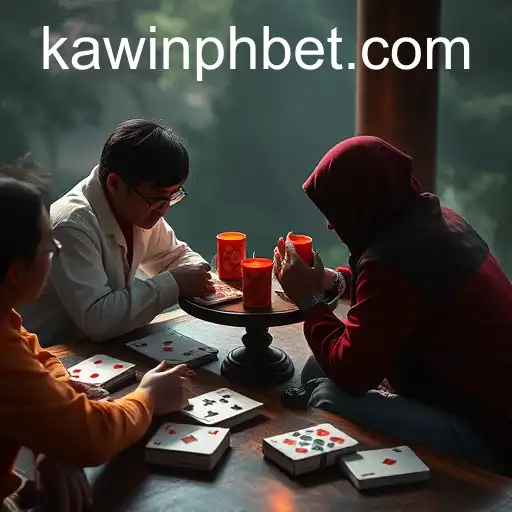
kawin ph | The Enchanting World of Card Games
kawin ph’s An in-depth exploration into card games with a focus on kawin ph, highlighting origins, popular games, and cultural influences.
Exploring the Enchanting World of Card Games
Card games have long stood as a testament to the intricate blend of luck, strategy, and social interaction. These games offer a rich tapestry of experiences, spanning cultures and ages, so much so that they have become more than just a pastime, evolving into an important cultural phenomenon. One term that often surfaces in the vibrant community of card game enthusiasts is "kawin ph." This term captures the unique spirit and tactics involved in certain card games that hold great popularity in specific regions.
The Origins and Evolution of Card Games
The history of card games is as varied as the games themselves. Believed to have originated in China during the 9th century, the journey of card games traverses through the pages of history with different variations finding their way through trade routes and cultural exchanges. The invention of the deck of cards as we know them today was deeply influenced by Italian and Spanish card makers in the 14th century. Each card game carries its own evolution narrative, highlighting how cultural nuances have shaped gameplay dynamics.
Understanding "Kawin PH" in Card Games
The term "kawin ph" relates to a subset of card games that emphasize partnership and strategic collaboration. While many card games are enjoyed on an individual basis, kawin ph games stress the importance of reading your partner's cues and anticipating opponents' moves. These games often involve a higher level of strategic planning and interpersonal communication, which is probably why they've gained a significant following in places where such interactions resonate with cultural norms.
The Mechanics of Kawin PH
Card games classified under kawin ph prioritize partnerships. Players team up and strive to outwit their rival teams using both their skills and an implicit understanding of their partner's thought process. It isn't just about playing the cards you're dealt but understanding the psychological landscape of the table. In these games, nuances of eye contact, slight hand gestures, or even predefined signals might come into play, enriching the gaming experience with a layer of subtlety.
Popular Card Games Under the Kawin PH Banner
One of the most intriguing aspects of kawin ph is the variety of games it encompasses. From the traditional favorites to modern interpretations, these games promise excitement and strategy.
1. Bridge
Bridge is perhaps one of the most renowned card games that fit the description of kawin ph. This trick-taking game requires tactical bidding and precise communication between partnered players. The game emphasizes the importance of teamwork and planning, making it a popular choice among strategic game enthusiasts.
2. Pusoy Dos
Known for its fast-paced and strategic gameplay, Pusoy Dos is another popular card game that often falls under the kawin ph category. Played with a standard 52-card deck, Pusoy Dos requires players to discard cards in the correct sequence, strategically predicting opponents' moves while working in tandem with a partner to control the flow of the game.
3. Tien Len
Tien Len, also known as Vietnamese cards, is a shedding-type card game that prioritizes quick thinking and sharp strategy. Oftentimes played in pairs, it relies heavily on understanding and anticipating your partner’s actions, making it a quintessential example of kawin ph strategies.
The Role of Culture in Card Games
Card games are deeply interwoven with the cultural fabric of societies around the world. They reflect traditions, societal structures, and even historical transitions. In regions where kawin ph is popular, card games serve as social glue, binding generations and communities through shared experiences and an understanding of nuanced strategies.
These games have carved a niche in entertainment, going beyond the mere act of playing cards to integrate community-based ideologies and cooperation. As such, the games serve as a lens through which one can witness the melding of strategy with cultural identity. The way players approach kawin ph games often mirrors broader societal interactions, revealing group dynamics and the importance of alliances.
The Digital Transformation of Card Games
The advent of the digital era has somewhat changed how we perceive and engage with card games. Online platforms have given rise to a new wave of card game enthusiasts, allowing individuals from different regions to compete, collaborate, or enjoy these games with others regardless of geographical boundaries. With features that support live interactions and seamless gameplay, games under the kawin ph banner are now more accessible than ever.
Digital versions of classic games such as Bridge Online and digital versions of Pusoy Dos have surged in popularity, reaching global audiences and introducing the intricacies of these games to new generations. This digitization promotes inclusivity and diversity, ensuring that the rich tradition of card games continues to thrive in the digital age.
Conclusion
Ultimately, card games and the kawin ph ethos represent more than strategic endeavors. They encapsulate stories of cooperation and the fun inherent in understanding human interactions. Whether played around a physical table with friends or through an interactive online platform, the ancient allure of card games endures, inviting both veterans and newcomers into a realm where every hand dealt is an opportunity to strategize, collaborate, and win.
